Decoding Live Fluctuations in Swedish League Football Through Integrated Odds Comparison and Event Preview Analysis
Skriven av Zara Sullivan · 2026-08-19
Decoding Live Fluctuations in Swedish League Football Through Integrated Odds Comparison and Event Preview Analysis
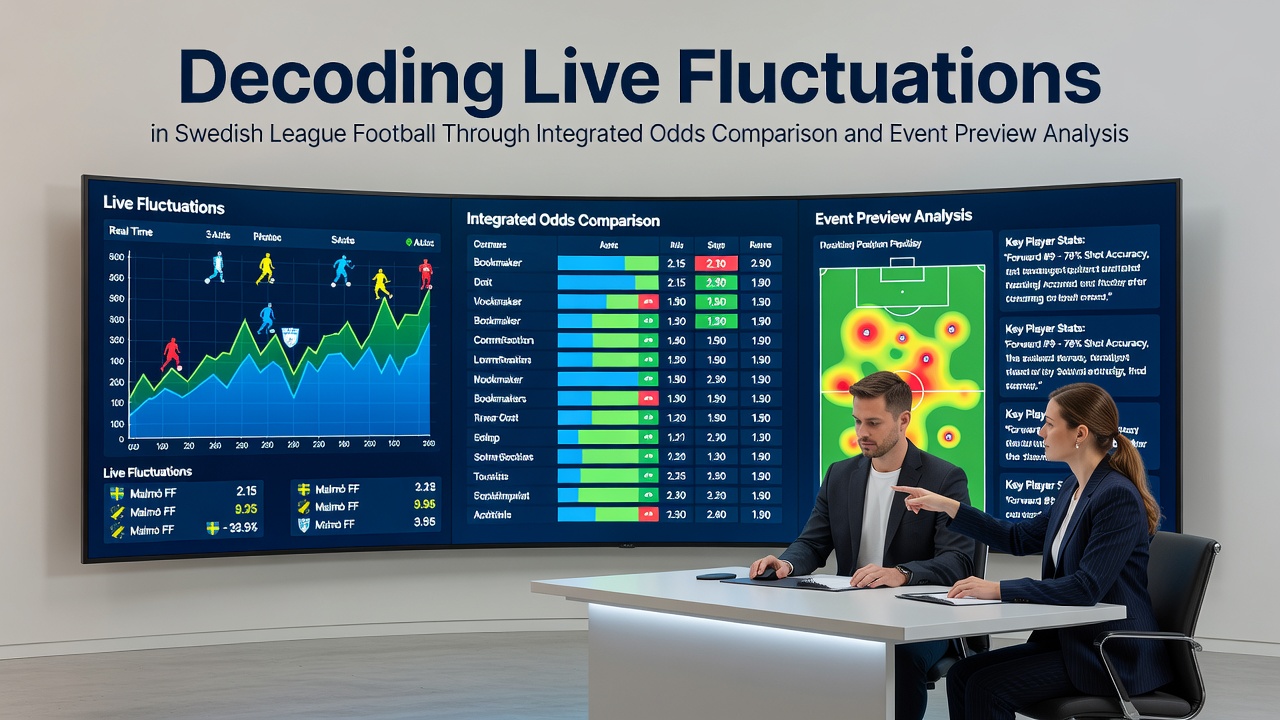
Swedish league football presents a dynamic environment where live odds shift rapidly in response to on-field events, and integrated comparison tools combined with event preview analysis offer structured ways to interpret those movements across Allsvenskan and Superettan fixtures. Observers note that bookmakers adjust prices continuously during matches based on factors such as goal-scoring chances, possession statistics, and player substitutions, while pre-match previews supply baseline data that helps contextualize subsequent changes. In August 2026, mid-season schedules feature several high-stakes encounters where these fluctuations become particularly pronounced, and analysts track them through aggregated feeds from multiple operators to identify patterns rather than isolated spikes.
Core Mechanisms Behind Live Odds Movement
Live betting markets for Swedish league matches operate through algorithms that recalculate probabilities every few seconds, incorporating real-time data streams from stadium feeds and official match statistics. Researchers have documented how an early goal in an Allsvenskan contest can trigger immediate odds compression on the leading side while expanding ranges for draw or comeback outcomes, and these adjustments reflect both the updated scoreline and remaining time on the clock. Integrated comparison platforms pull quotes from several sources simultaneously, allowing users to spot discrepancies that arise when one operator reacts faster than others to the same event sequence. Event previews contribute by establishing expected goal ranges and team form metrics beforehand, so deviations from those projections become easier to isolate once play begins.
Role of Event Previews in Establishing Baselines
Pre-match analysis for Swedish fixtures typically aggregates historical performance data, head-to-head records, and injury reports to generate probability estimates that serve as reference points for later live adjustments. Data shows that teams with strong home records in recent campaigns tend to see their implied probabilities rise quickly after taking an early lead, whereas underdogs maintain wider margins until clear momentum shifts appear. Those who compile previews often include weather conditions and referee assignments because these elements influence both the pace of play and the frequency of stoppages, factors that indirectly affect how rapidly odds evolve. When integrated with comparison tools, such previews help distinguish between routine market tightening and more significant recalibrations triggered by unexpected developments like red cards or tactical changes.
Integration of Odds Comparison Across Operators
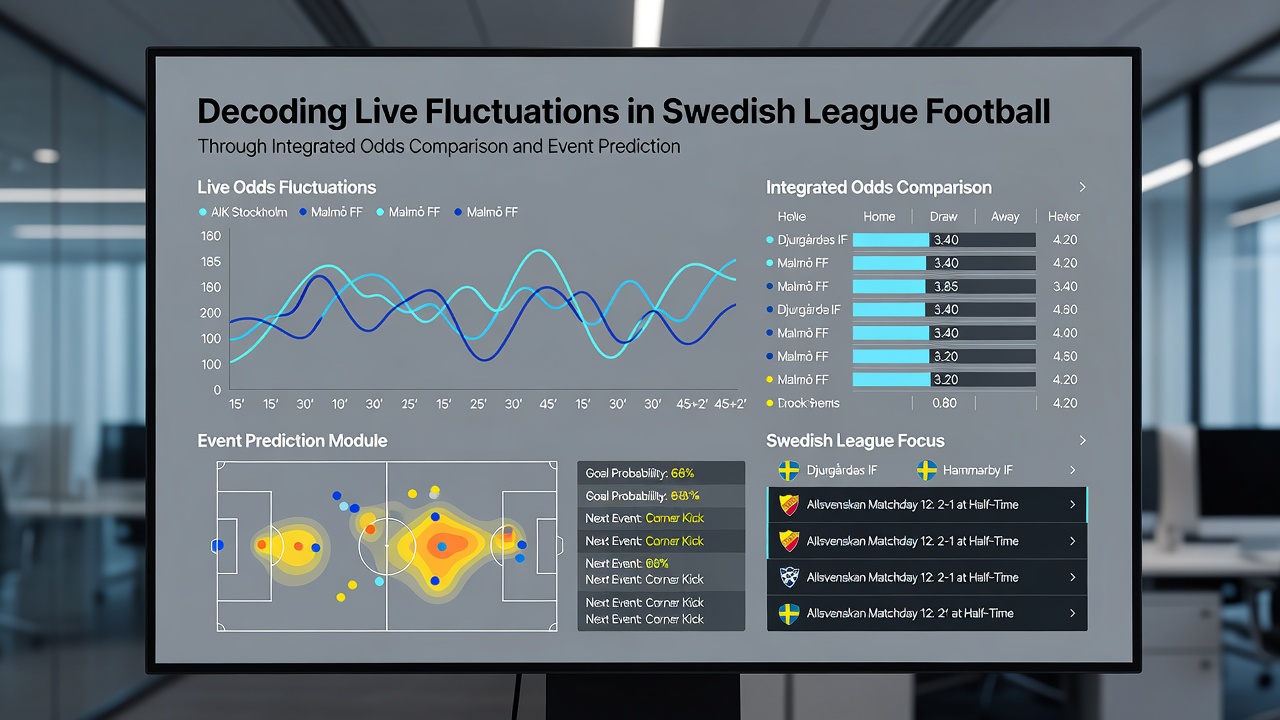
Comparison systems aggregate live prices from a range of licensed platforms, highlighting arbitrage opportunities or consensus shifts that single sources might obscure. Figures reveal that during Superettan matches, where scoring can remain low for extended periods, odds on under-2.5 goals frequently tighten in the second half even without goals, driven by cumulative possession and shot data rather than the scoreboard alone. Analysts use these tools to monitor how different operators weight the same inputs, since some prioritize expected goals models while others emphasize raw shot counts. In practice, a sudden surge in a team's pressing intensity documented by tracking data can produce divergent reactions across bookmakers, and cross-referencing those reactions against preview baselines clarifies whether the movement aligns with anticipated patterns or signals a genuine tactical pivot.
Case Examples from Recent Seasons
Take one August fixture sequence where a mid-table Allsvenskan side conceded an early goal yet maintained elevated live probabilities for a draw throughout the remainder of the match, a movement that preview models had flagged as plausible given their historical resilience in deficit situations. Integrated comparison revealed that certain operators adjusted more conservatively than others, creating temporary spreads that narrowed only after sustained attacking pressure materialized. Researchers examining similar cases found that preview elements such as set-piece conversion rates and goalkeeper distribution accuracy helped explain why some fluctuations persisted longer than raw scoreline data alone would suggest. Another instance involved a Superettan promotion contender whose odds shortened dramatically following a substitution that introduced a high-pressing forward, an adjustment that aligned closely with pre-match expectations around squad depth yet appeared more abrupt on platforms without integrated preview overlays.
Data Sources and Analytical Frameworks
Statistical agencies and league partners supply the granular inputs that feed both preview models and live adjustment engines, including metrics on distance covered, pass completion in final thirds, and duel win rates. According to reports from the European Gaming and Betting Association, consistent application of these datasets across operators reduces variance in how rapidly prices respond to identical events. Academic studies hosted by institutions such as the University of Sydney have examined correlations between preview accuracy and subsequent live market stability, showing that higher-fidelity pre-match projections correlate with smoother odds trajectories once matches commence. Observers monitoring Swedish leagues in August 2026 continue to apply these frameworks to differentiate noise from signal in an environment where multiple fixtures occur on the same evening, amplifying the volume of simultaneous data points.
Conclusion
Integrated odds comparison paired with event preview analysis provides a methodical approach to interpreting live fluctuations in Swedish league football, grounded in the continuous interplay between pre-established baselines and real-time inputs. Data from official match feeds and cross-operator platforms shows how specific events translate into measurable price movements, while preview components supply the context needed to evaluate whether those movements deviate from expected ranges. As the 2026 season progresses through its August phase, the same analytical structure remains applicable across both Allsvenskan and Superettan encounters, supporting systematic observation of market behavior without reliance on any single information channel.